Welcome Home! Exposing Your Pup to the Real World

Check out our NEW!!! Therapy Prep Course enrollment now open for this fall! Click Here to Learn More!
Blog and News Updates
We update our blog routinely. Check back often!
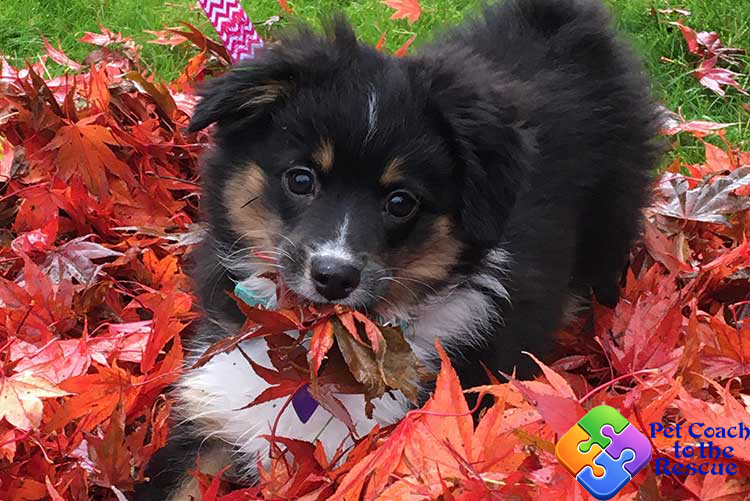
As soon as you take home your puppy, you have turned their world upside down. They have been removed from what they know and plopped into an alien universe. They have been living on Planet Dog — they don't know anything about Planet Human! Luckily, your dog is also constantly learning, and it is up to their handlers to help them explore this strange new world and everything they'll encounter while living in it.
Socialization is critical to creating a well-adjusted, happy dog — and the best window to do it is shorter than most people realize. The "critical socialization period" occurs roughly between 3 and 16 weeks of age. During this time, puppies are like little sponges, soaking up information about the world and deciding what's safe, what's scary, and what's worth investigating. Miss this window, and you could be spending a long time untangling fears that may have been prevented in those early weeks. Think of this exposure as a buffer or insurance- some dogs are more adaptable than others, so providing early socialization opportunities helps those who are more sensitive or need time to adjust.
Think of socialization as your puppy's orientation to Planet Human. The goal isn't just meeting other dogs — it's introducing them to the full range of sights, sounds, textures, and experiences they're likely to encounter throughout their life. Different types of people, household sounds, unfamiliar surfaces, moving objects like strollers and bicycles, and even the handling of their paws, ears, and mouths — all of it counts. Every positive experience is another data point telling your puppy that this strange new planet is actually a pretty great place to live.
There's a common misconception that puppies must complete their full vaccination series before being socialized — but by the time that's done, the sensitive period for socialization will already be mostly over. The good news is that socializing safely before vaccines are complete is absolutely possible! You can carry your pup into new environments so all four paws stay off the ground, stick to playdates with healthy, vaccinated dogs you trust, and enroll in a puppy socialization class, which provides low-risk, supervised exposure to other people and dogs. Avoid dog parks and groups of unknown dogs until vaccines are complete — they can be overwhelming for young puppies and are better suited for older dogs who already have solid social skills. As always, your vet is your best resource if you have questions about your pup's specific risk.
When introducing your puppy to something new, start small and let them lead the way. Begin with the sight of something from a distance, or a sound at a low volume, and gradually work up to a normal real-world experience. It should always be your puppy's choice whether or not to get closer — never force them to approach something that makes them nervous. Forcing the interaction can cause your dog to lose trust that you'll let them explore the world on their own terms, and that's a much harder thing to rebuild than confidence.
This is where reading body language becomes your superpower. A tense, rigid body with a tucked tail and flattened ears means it's time to pause and dial things back. What you want to see is a relaxed, loose body, a raised or wagging tail, and alert, curious ears. If your puppy won't take treats in a new situation, that's also a sign they're too stressed — ease back, let them decompress, and try again at a lower intensity.
One more thing to be aware of — puppies often go through a first fear period around 8–11 weeks, and then a second one resurfaces during adolescence (6–14 months), which is exactly why continued socialization during that stage matters so much. During these periods, even familiar things can suddenly seem terrifying. This is completely normal and temporary, but it does mean socialization during this stretch should be kept especially gentle and positive. Don't stop — just slow down and follow your puppy's lead.
A few pitfalls worth avoiding: dog parks and daycare are not substitutes for intentional socialization, especially early on. And if your puppy only ever meets dogs of a similar size and energy level, they may struggle when they eventually encounter the giant Labrador or the tiny Chihuahua next door. Variety is the point. Finally, don't treat socialization as something you do once to check off a list — adolescence, roughly 6 to 18 months, brings its own challenges, and keeping up with positive experiences during that stretch is just as important.
Socialization done well is one of the greatest gifts you can give your dog. Put in the work and be intentional, and you'll have a puppy who navigates Planet Human with curiosity, confidence, and maybe just a little swagger — and that makes the whole journey a lot more fun for both of you.