Tips to Prevent Parvovirus
Check out our NEW!!! Therapy Prep Course enrollment now open for this fall! Click Here to Learn More!
Blog and News Updates
We update our blog routinely. Check back often!
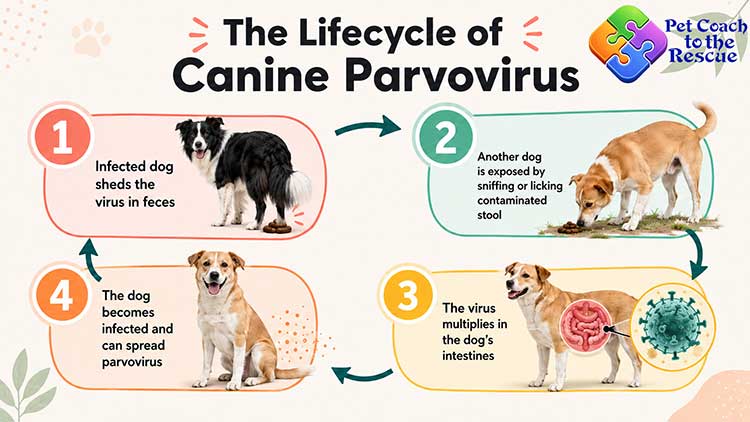
Canine parvovirus, commonly known as parvo, is a highly contagious and potentially life-threatening virus that primarily affects puppies and unvaccinated dogs. It spreads through contact with infected feces, vomit, or contaminated surfaces such as food bowls, leashes, toys, grass, and even the soles of your shoes. What makes parvo especially dangerous is its resilience—it can survive in the environment for months or even years, making it difficult to eliminate without proper disinfection. It targets rapidly dividing cells in the body, especially in the intestines and bone marrow, leading to severe vomiting, bloody diarrhea, dehydration, and a dangerously weakened immune system. Young puppies between 6 weeks and 5 months old are especially vulnerable. Their maternal antibodies start to fade, but their own immune systems aren’t fully developed yet. This creates a critical window where vaccination is absolutely essential. To protect your dog from parvo, avoid areas with high dog traffic until your dog has finished their vaccine series, don’t let your pup interact with unvaccinated dogs, and keep up with vet visits and vaccination schedules.
Since parvovirus is incredibly tough, most everyday cleaners like Lysol or regular Clorox wipes won’t kill it. To truly disinfect, you’ll need something stronger. Bleach with sodium hypochlorite is one of the most effective options, but there are also pet-safe products like Rescue (Accelerated Hydrogen Peroxide), Virkon (Potassium Peroxymonosulfate), and Sniper (Chlorine Dioxide) that are proven to work. If your dog has had parvo, it’s important to clean contaminated areas daily during treatment and disinfect everything thoroughly after recovery to help prevent reinfection. For more information, visit the community information site www.canineparvovirus.org or the veterinary site www.avma.org.
Parvovirus is scary—but it’s also preventable. With timely vaccinations, smart hygiene, and a little extra caution during those early months, you can protect your puppy from this dangerous disease and enjoy all the tail wags and belly rubs worry-free.