The Deal with Rabies

Check out our NEW!!! Therapy Prep Course enrollment now open for this fall! Click Here to Learn More!

Blog and News Updates
We update our blog routinely. Check back often!
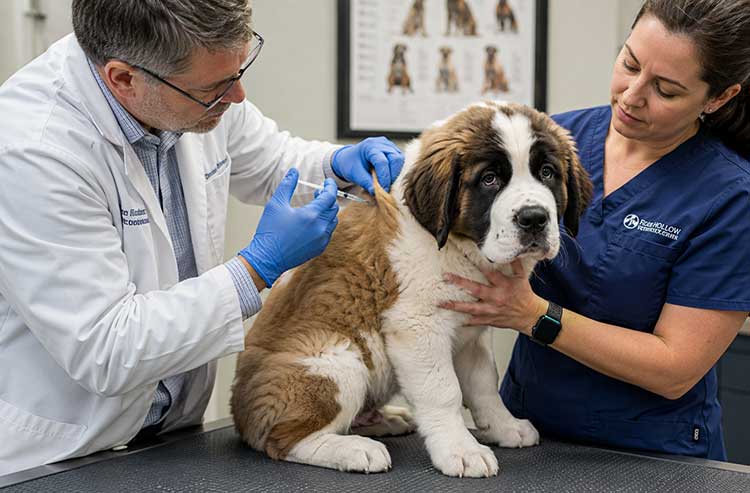






The Rabies vaccine is considered a “core” vaccine for all dogs. But what is it? Rabies is a serious disease caused by a virus that attacks the brain and nervous system. Once symptoms appear, it’s almost always fatal—which is why prevention is key. The virus spreads through the saliva of infected animals, typically through bites or scratches.
Any mammal can carry rabies, but wild animals like bats, coyotes, foxes, raccoons, and skunks are the most common culprits. Pets and farm animals—cats, dogs, horses, cows, and goats—can become infected if they’re not protected. Rabies is found on every continent except Antarctica, making it a global concern.
The good news? You can take simple steps to protect your household. Keep your pets up to date on their rabies vaccines, supervise them when they’re outdoors, and avoid contact with wild or stray animals. It’s also wise to seal up any cracks or openings in your home where bats might sneak in.
If you ever get bitten or scratched by an animal, don’t wait—wash the area thoroughly with soap and water and see a doctor right away. Quick treatment with post-exposure shots can stop rabies before it starts. And if you find a wild animal inside your home, stay calm, keep your distance, and call animal control or a wildlife professional to safely handle the situation.
Rabies is preventable, and staying informed is your best defense. A few smart precautions can go a long way in keeping your pets—and your family—safe and rabies-free.