To Pet or Not to Pet, that is the Question!

Check out our NEW!!! Therapy Prep Course enrollment now open for this fall! Click Here to Learn More!

Blog and News Updates
We update our blog routinely. Check back often!
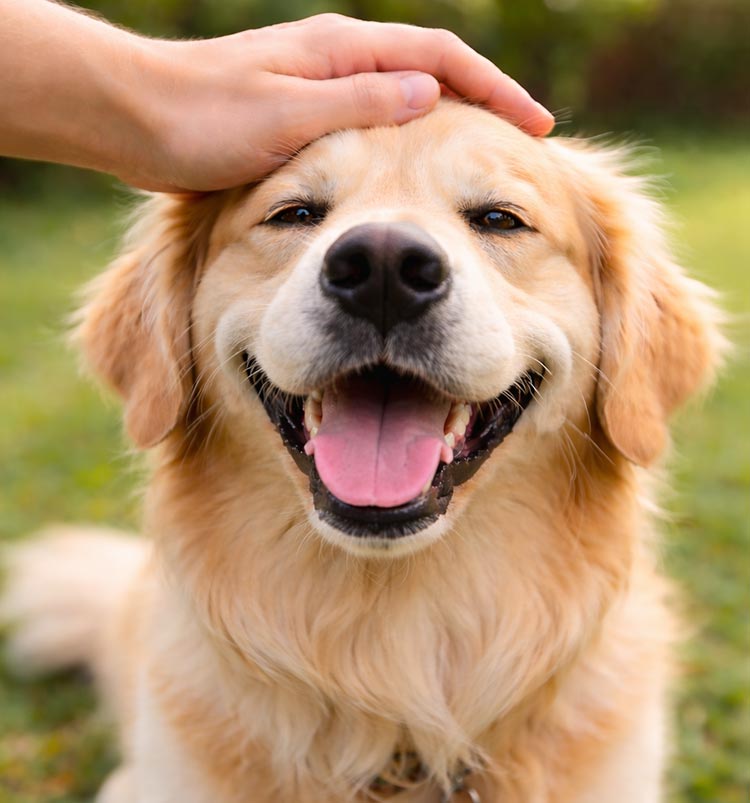
When you see a cute dog, what do you do? You want to pet them, of course! They look so soft, so cuddly, so sweet! You just want to reach down and touch their little heads, or pick them up and hug them tight. You get a little burst of oxytocin, dopamine, and serotonin! A dog should love to be touched and petted by you, right? Don’t they feel the same about physical contact?
Some dogs LOVE to get attention and petting from people. Some dogs do not care if you are a family member or a stranger; they just want physical interaction! Some dogs, however, prefer to be admired from a distance. Some dogs are comfortable being touched by people they know, but do not want the same with strangers on the street. So, how do we know if a dog wants you to touch them? If you see a dog on a walk, always ask the owner first! If they say yes, ask if there is a certain spot the dog prefers to be petted or a spot where they do not want to be touched.
To determine whether a dog would like to interact with you, use the Canine Consent Test! Whether the dog you want to interact with is your dog or a stranger’s dog, always allow the dog to come to you and initiate contact, rather than coming into their space. Observe the dog’s body language. If they come toward you with loose, relaxed body language, they are telling you that they are comfortable with the interaction, and you may continue to the petting Consent Test. If the dog comes toward you with fearful, tense, worried, or aggressive body language, that dog is telling you that they are not comfortable being touched by you. Pinned-back ears, a tucked-in tail, a tightly closed mouth, and lip licking are all indicators of an uncomfortable dog. Do not try to reach for or pet this dog.
If the dog has approached you and has loose, relaxed body language, you may try to pet him. Choose a spot that you know the dog likes. If you do not know such a spot, some commonly enjoyed areas are the chest, the back, and behind the ears. Avoid reaching your hand over a dog’s head to pet it, especially a dog you do not know. This action can be uncomfortable or scary for some dogs. Give the dog a couple of pets, only for about 2 seconds, and then remove your hand and observe what the dog tells you. If the dog leans toward you, paws at your hand, or moves further into your space in any way, they are telling you that they want you to continue. If the dog moves away with their head or their body or shows nervous body language, they are letting you know that they do not want more interaction. A dog who wants to continue interacting will have an obvious answer of “Yes, keep petting me!” They will actively seek out your touch. Even if a dog says yes initially, continue to check in with them by stopping petting to check if the answer is still yes. The dog may decide that they want to be finished with an interaction after a minute or two. If a dog does not want to be petted by you, there are other ways to bond with them, such as training and playing! Respecting a dog’s wishes for how they interact will increase their trust in you and can prevent incidents of miscommunication.