Frustration Tolerance: Small Steps, Big Wins

Check out our NEW!!! Therapy Prep Course enrollment now open for this fall! Click Here to Learn More!
Blog and News Updates
We update our blog routinely. Check back often!
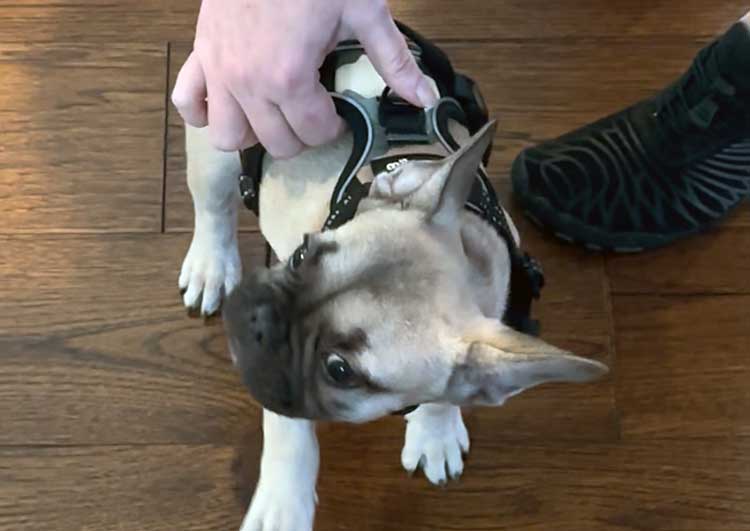
Having a puppy is one of the most exciting things- and often one of the most frustrating! Dogs get frustrated, just like humans. When they expect something to happen (say, going over to sniff a bush) and it does not happen (say, the leash tightens to prevent them from wandering), this produces frustration. Frustration tolerance is a vital skill! Dogs do not naturally know how to cope with frustration. Think of it like a toddler tantrum- toddlers have not yet learned how to tolerate frustrating events without getting worked up. Puppy tantrums also occur during this process of learning tolerance. Most (but not all) adults have learned this skill- when they get frustrated, they do not lose control and start throwing things around the supermarket! They have learned to acknowledge the frustration while still regulating themselves.
Common signs of dog frustration include barking, whining, jumping, mouthing, and grabbing the leash. Nowadays, dogs have to learn more frustration tolerance than ever! Most modern dogs are more restrained and closely controlled, their humans are inconsistent in their behavior, and often they do not have a solid outlet to release their excess energy. Does this mean we should dispose of leashes and let the dogs roam the city, as is the case in some countries? Not at all! Many American cities are not set up for this to be a possibility, and keeping dogs on leash prevents them from getting into danger or causing mayhem. What it does mean, though, is that we owe it to them to help them cope with modern human society.
The biggest thing to remember about puppy frustration is that it will take time and gradual steps to build that tolerance. Practicing impulse control is instrumental in this process. One simple exercise is waiting to put the food bowl down until the dog is quietly waiting, rather than barking and jumping at you. This teaches that they do not get the reward of food unless they are calm. This may look different from dog to dog, as they all learn at their own pace. Another practice that improves frustration tolerance is long-lasting treats and treat dispensers! Things like a frozen Kong or a lickmat force the dog to slow down in order to get the yummy treats. They only get the treat by licking and nibbling- they cannot eat it so quickly that they don't even appear to taste it!
Remember, this is a process! If the dog has started “throwing a tantrum”, you may have asked for more than they can handle at that point. When they have started a rampage, see if they can perform one of their well-known behaviors. This helps bring them from their “emotional” brain (overwhelmed and reactive) into their “working” brain (calm and focused). If they are unable to do any of their well-known behaviors, take a break and see if they would like a game of tug or fetch, to help them release the excessive energy they have built up. They may also benefit from a break in their crate or playpen with a long-lasting treat, or to take a quick nap. An excessively mouthy, jumpy puppy is often overtired, like a toddler who refuses to admit they need sleep.
Frustration and disappointment are a normal part of life — for humans and dogs alike. We are unlikely to fully eliminate frustration, so the goal is to help your dog build the skills to handle it gracefully. With patience, consistency, and a little creativity, you can set your pup up for success. And remember: every small moment of progress is worth celebrating, even if it doesn't always feel that way in the middle of a leash-grabbing, barky meltdown!